
Ten Years Later: Is Anyone Feeling Safer in Rural Saskatchewan?
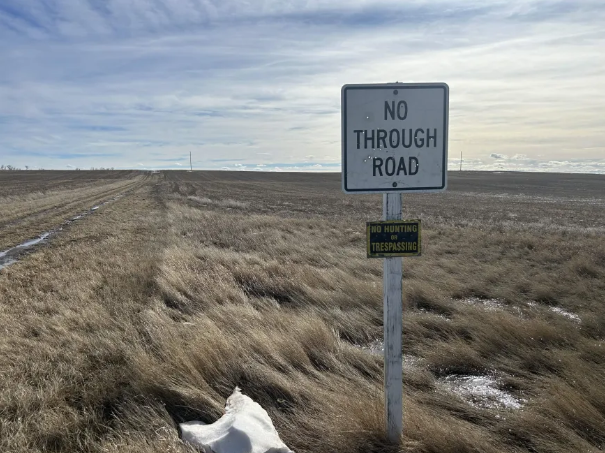
Photo by Amber Desnomie
By: Cassius Cappo, Amber Desnomie, Lucas Horsman, Kaitlyn Fischer, and Jordan Sargeant.
Nearly 10 years have passed since Colten Boushie and his friends drove onto Gerald Stanley’s property. That fatal encounter was the catalyst for polarizing debate within the province – and across the country – regarding personal property, trespassing, treaty rights, and eventually it lead to a series of amendments to Saskatchewan’s Trespass to Property Act.
According to a CBC News article from Dec. 16, 2021, the amendment went into full effect at the beginning of 2022. Of the changes made to the Trespass to Property Act, one of the key amendments stated that all individuals, regardless of the purpose being for hunting, leisure, or otherwise, must obtain permission from a property's land-owners before accessing any private land within the province. While the provincial government updated the Trespass to Property Act in the hopes of preventing another tragedy, people in Saskatchewan are divided about whether or not the changes were effective at making rural Saskatchewan – and those who live in it – any safer.
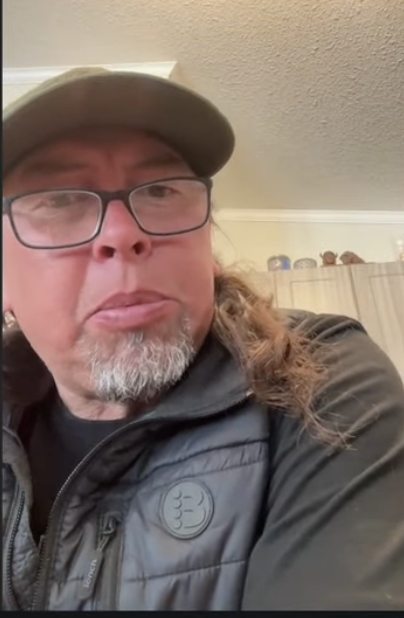
Greb McNab. Indigenous Hunter.
Greg McNabb spends more time in rural regions than most. As an Indigenous hunter from File Hills, Saskatchewan, hunting is deeply connected to his cultural values and has served as a way of life for many others in the past. McNabb discovered a love of hunting later in life through his son, and has been through several seasons of hunting and harvesting animals.
While treaty rights allow McNabb to hunt more freely, with Indigenous people possessing the right to hunt on lands that are not being used by the government for purposes such as mining or lumbering, he still approaches the matter cautiously. He emphasizes the importance of being ethical and respectful.
“I like to go hunting where I know I'm able to hunt. I'll do my best to be as ethical as I can. Do it the right way,” said McNabb.
McNabb believes the treaty rights have not been respected for a long time, as the treaty rights establish hunting protections for Indigenous peoples. He reflected on the signing of the treaties and the seemingly shaky promise from the government that these rights would last “as long as the sun shines, the rivers flow, and the grass grows.”
Despite these doubts, he still complies with the new rules, admitting that he is concerned about potential fines or even jail time when setting foot on someone else’s property.
“Prior to Colten Boushie if you ever ran out of gas or had a flat tire, I don't think anybody had any issues asking for help,” said McNabb. “But right after that happened things changed.”
McNabb views the changes to trespassing laws as potentially unfair to Indigenous people, as some see them as an infringement on treaty rights. He also suggested that the government has benefited the most from these changes, with the provincial government collecting revenue from the sale of land.
Ultimately, McNabb believes this situation reflects the broader challenges Indigenous people continue to face due to “how the system was originally built.”
“When you look at trespassing you look at the colonizers [and] the rules that they have in place now, they say ‘oh, this is my yard. I own it,’” said McNabb. “As First Nations people we knew we could never own the land, we used it, but never owned it.”
However, while some such as McNabb see the changes as ineffective, rural landowners have praised the updated legislation.
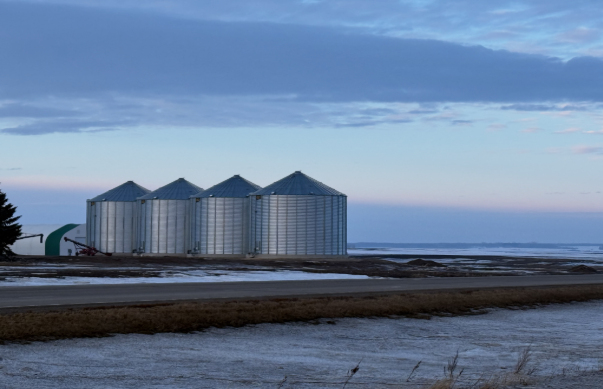
Photo of grain silos near Fort Qu’Appelle, SK. Photo by Cassius Cappo.
In 2018, the Saskatchewan Association of Rural Municipalities (SARM) sent out a survey to rural property owners. Given that the Trespass to Property Act was being reviewed, the survey inquired about the opinions of landowners regarding the rules of the act as well as the upcoming changes.
While all the names of the respondents have been redacted from the document in question, their opinions are still open to the public.
Many rural landowners touched on how a person should ask for permission before accessing private property.
“I know I would not drive my ski-doo or recreational vehicle across someone's yard in town,” stated by an anonymous landowner. “They would have to stick to driving on government road allowances only.”
Another survey respondent wrote “No one has the right to come on property [regardless of] race, religion [or] creed. The land was bought with money, blood, sweat and tears. Absolutely not!”
Other individuals spoke of dire safety concerns.
“My life [and the lives of my family members are] endangered by stray bullets [by] people shooting on my land when myself [and my] family are close in proximity,” said an anonymous landowner.
However, this isn’t to say that all landowners are completely opposed to allowing people onto their property. Many of those surveyed stated that they are happy to let people hunt on their land under the condition that they are respectful of the property, and they met with the landowner first.
“Permission should be sought in person prior to access,” said an anonymous landowner. “Having a conversation with a person makes a big difference.”
While many responses were reasonable, a few responses seemed to fuel suspicions of racially motivated legislation.
“[The need for permission to go onto properties] should also apply to Indigenous people as they can spread disease and weeds and endanger farm animals,” said an anonymous land owner.
Some survey participants claimed that Indigenous people trespassing onto their land were responsible for spreading clubroot. Clubroot is a soil-borne disease that infects some of the most common crops in Saskatchewan, such as canola.
While these are legitimate concerns for landowners, as the disease can have a massive impact on crop health and yield according to the Canola Council of Canada, clubroot is carried into new environments through infected soil on farming equipment or other surfaces. There is no research that supports a connection between clubroot and Indigenous populations.
While some farmers didn’t want to be bothered while they were working on their farm and didn’t care for any “pointless” changes to be made, others pushed for change so that they could feel safe at their workplace and home. Many of the responses spoke of vandalism, and disrespect to property which is still an ongoing issue today.
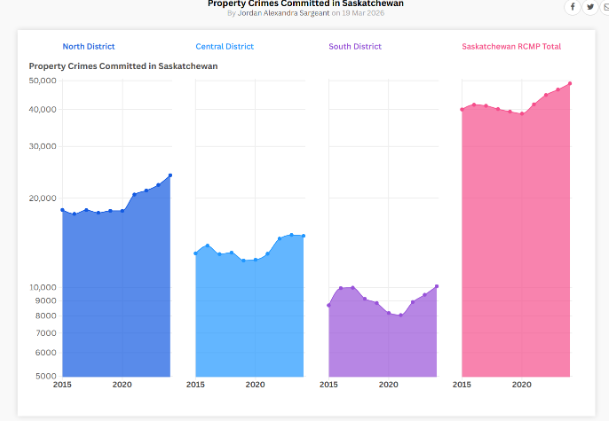
A graph of the number of property-related crimes in Saskatchewan over time, sorted by district. Chart by Jordan Sargeant.
According to the rural crime fact sheet from 2023, 32% of Saskatchewan's residents, which is about 392,157 people, lived on land that was served by a police service at that time. The majority of that land happened to be rural.
During 2023, the number of crimes in rural areas had grown. It was reported there were 33,597 cases of rural property crime that year, while in urban areas there were only 5,930 cases of property crime.
The most common type of crime committed on rural properties was mischief, at a rate of 5,308 incidents per 100,000 individuals. This number was 12 times higher than the mischief numbers in urban areas.
These issues are what the Trespass to Property Act has sought to address, as crops can often be ruined by people causing mischief.
“Luckily, we don’t get many trespassers because we’re such a small town and everybody trusts each other to ask for permission,” said Trinti Kolhert, a business student at the University of Regina, who has experienced trespassers on her farmland. “Sometimes we will get trespassers who drive over our crops. It pushes the stalks down and we lose them.”
As of 2021, Statistics Canada reports that 39.1% of the land within Saskatchewan is being used as farmland, amounting to 40,315,957 total acres. The report declared Saskatchewan as the lead producer of cereal grains such as wheat, barley and oats. The province was also listed as the second largest producer of cattle, bison and elk.
More recently, a study done at the Johnson Shoyama Graduate School of Public Policy has highlighted the great economic value of farms, stating that 34,000 farms produced $21.5 billion in revenue for the province in 2024. Farms were also able to produce 41.9 million tonnes of crops, split between family farms and megafarms owned by corporations.
The Government of Saskatchewan confirms the financial importance of farming in their own Sector Overview, noting that agricultural exports have increased drastically in the last ten years, accounting for 41% of the provincial exports in 2024. Consisting of cereal grains, oilseeds, pulses, and edible oils, the total revenue generated was more than $3.2 billion.
But because of the updates to the act, it has left people like Kolhert to feel more safe. “That’s brought some reassurance in my life,” said Kolhert. “If there’s a threat of punishment for trespassing, people might be more wary.”
As Craig McCallum, the 4th Vice Chief of the Federation of Sovereign Indigenous Nations (FSIN) points out, Indigenous people in Saskatchewan are very nervous about trespassing.
“First Nations people travelling in rural Saskatchewan second-guess and almost fear breaking down in rural Saskatchewan and wanting to go seek help,” said McCallum. “I think it hurts First Nations people a lot more than anything. It really criminalizes people that are trying to exercise their inherited rights, whether that’s hunting, fishing, trapping, or gathering medicine.”
In addition to conflicting with treaty rights over land access, another reason why the Indigenous community specifically is so distressed by this issue is because nearly half of the Indigenous population within the province is living within what is considered a rural area.
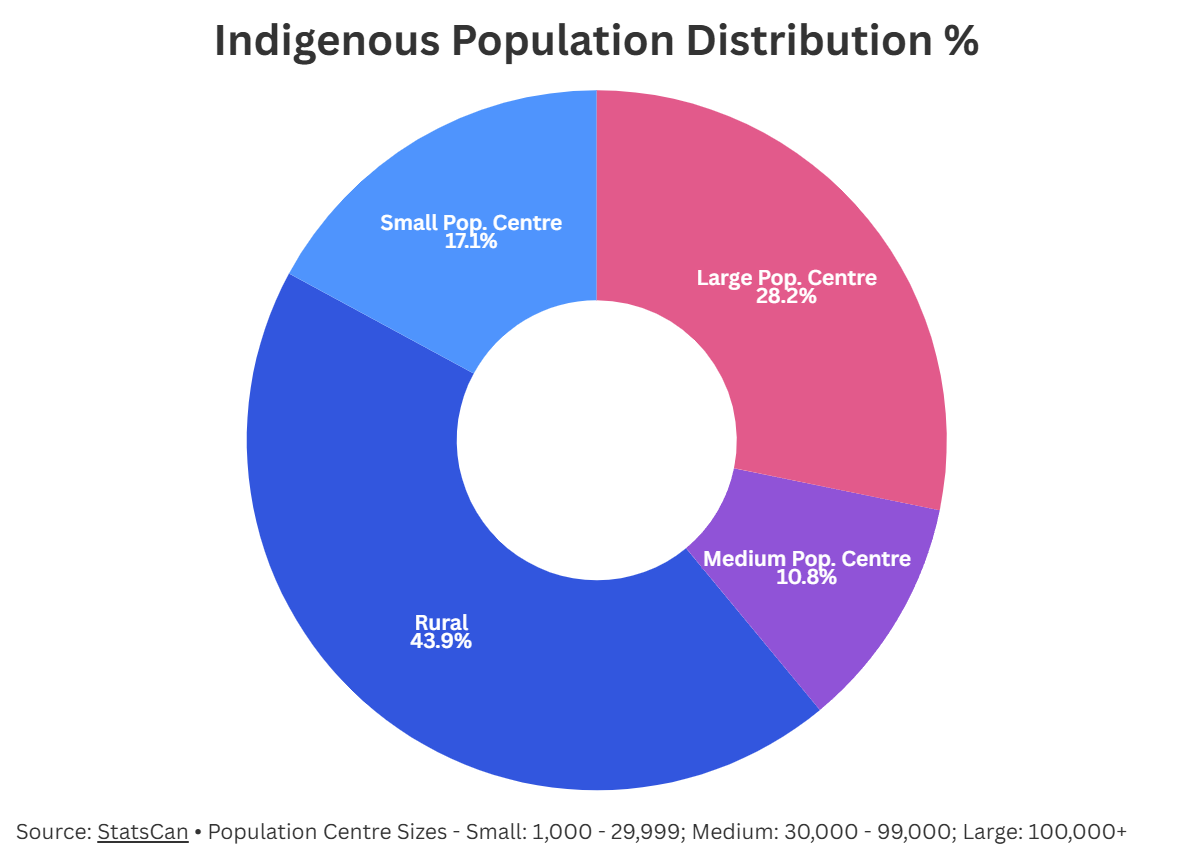
A graph showing the distribution of the Indigenous population within SK. Chart by Lucas Horsman.
Working with 74 First Nations Bands in Saskatchewan, McCallum is well-aware of the issues First Nations people face. He mentioned how the Trespass Act and Treaty negotiations contradict each other when it comes to certain matters like hunting rights. He also believes there is a lack of consultation of Indigenous communities when it comes to changing legislation and policies.
“Our people feel (the law) was meant only to protect farmers and rural settlers, and not First Nations people and not Treaty Right holders,” he said.
At the time of publishing this article, McCallum said to his knowledge FSIN was not contacted by SARM and has not been included in the discussions surrounding the modification of the Trespassing Act. And, the First Nations community does not feel safer with the new changes to the Trespass to Property Act, and they would like to be consulted about future to the act.
“Our ancestors signed a treaty that was to ensure our way of life would persist. But we’re seeing laws like this that restrict our way of life, our traditional way of life. So, no I wouldn’t say it has helped our people. I'd say that it just hasn’t,” he said.
The FSIN have opposed the most recent changes to the act, stating that it would “violate treaty rights”.
From the trial to the changes to the act, many Indigenous people felt that these changes were racially motivated. The intentions behind the changes to the Trespass to Property Act have been to protect landowners, but as a result it has taken away rights from other people.
These changes have sparked heated discussions on whether the Saskatchewan government truly cares about the treaty rights that have stood for 152 years.
Among those debating the purpose and motivations behind the amendments was the group Justice for Our Stolen Children, which formed shortly after the murder trial of Gerald Stanley. Their main task was to bring racial injustices and systematic problems to light within the province.
In February of 2018, a protest organized by the group took place in Wascana Centre Park, adjacent to the Legislature Building. Protestors were present around-the-clock, with the group peacefully occupying the space for a total of 98 days before they were served an eviction notice. Shortly after, law enforcement was called in to remove the protestors from the area.
According to the official court case, the city claimed that the protesters had not applied to camp on the grounds and had ignored the notice of eviction, which resulted in the Regina Police Service acting on a court order to forcefully remove the protesters from the premises.
The forced removal was deemed justified by the Trespass to Property Act, which had also been amended after the Boushie trial. The Act states that a peace officer has the right to remove occupiers if they are determined to be a threat or are occupying private land without the consent of the landowner.
After being removed, the protesters appealed, claiming their rights under Section Nine of the Charter of Rights and Freedoms – the right to not be arbitrarily detained or imprisoned – had been violated. This included organizers Prescott Demas and Robyn Pitawanakwat, who are determined to have their voices heard.
“What’s hard for us right now is the issues that we’ve brought forward in this camp are still not being heard,” said Pitawanakwat in an interview with the Regina Leader Post.
According to Amy Rotteger, a SARM media representative, “the Trespass to Property Act amendments were considered as a needed improvement for landowner control and rural safety.”
SARM believes that the Trespass to Property Act is beneficial to the community, saying that “tightening rural trespass laws will help rural landowners and farmers
protect their livestock and crops while increasing the sense of security and safety for their families.”
SARM also called for the presence of more law enforcement resources and personnel to address the worries of rural inhabitants.
“[SARM wants] better enforcement and police response in rural areas, given past comments that rural people feel ‘defenseless,’” said Roetegger. “Which implicitly points to resourcing and response‑time issues beyond just the wording of the Trespass Act.”
Still, there is no consensus on whether the Trespass to Property act has made a genuine difference, and if further changes are worth pursuing.
“I think what it has done is made community members more wary of each other,” said MLA Nicole Sarauer. “They’re more afraid to go to their neighbors if they need help.”
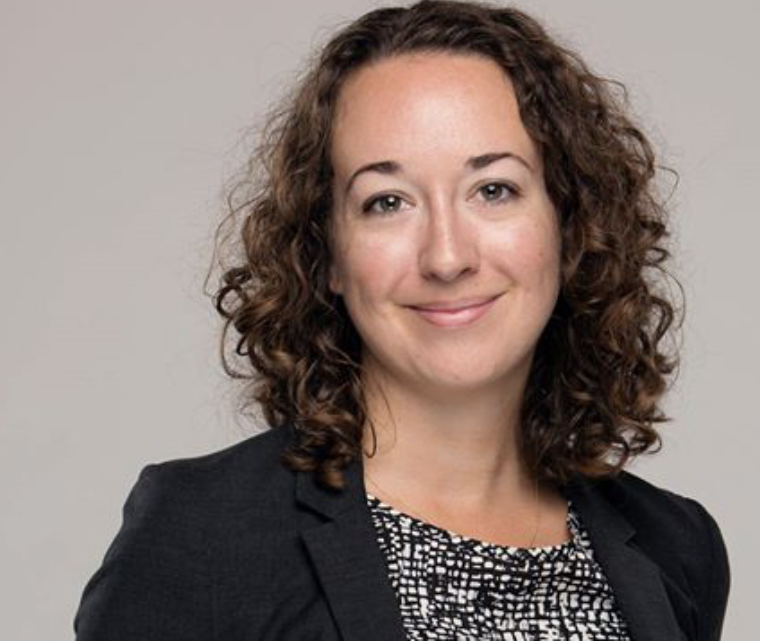
NDP MLA Nicole Sarauer
Sarauer has been the Shadow Minister of Justice since 2016. Over the past decade, she has been able to closely monitor the development of the Trespass Act, including some of the major revisions post-2016.
One such set of revisions being what she viewed as a direct response to the shooting of Colten Boushie. “The most recent and significant changes to the Trespass Act came as a result of the killing of Colten Boushie and the trial that happened after that,” said Sarauer. “The government's response at that time was to talk about rural crime and came forward with these new amendments which placed further restrictions on individuals being able to access lands that were otherwise available to them.”
Sarauer said that the people who are the most vocal about these new restrictions being introduced into the Trespass Act can be split into two groups: those who frequently use motor vehicles and typically ride onto private property to take shortcuts; and hunters, who would usually access private property in order to secure access to wild game or pursue injured animals.
According to Sarauer, these changes to the legislation, and the government's response in general, were misguided, and only served to worsen pre-existing tensions. She says the changes were largely ineffective at reducing property crime and just put people under more pressure than they already were.
“It was a time of real heightened tension, both politically and socially in our province,” said Sarauer. “There was a lot of frustration with the outcome of the trial, and it was fueling division in rural Saskatchewan in particular. The government's response, from our perspective, served to capitalize on that division and didn't serve to address any
of the real concerns as we saw them, or the underlying tensions and issues that were dividing communities in the province.”
While the Trespass Act may not provide the solution that many were hoping for, other government bodies have been active in attempting to make communities feel more at ease in rural areas.
On April 8th, 2026, James Smith Cree Nation (JSCN) and the Saskatchewan Marshals Service (SMS) signed an agreement which formally invited the SMS onto their traditional lands. Among other things, the Band Council Resolution (BCR) which they signed is intended to support “culturally responsive policing”, and to address criminal activities facing the community. The agreement also has had a positive effect on building rapport within rural communities.
"This relationship represents another meaningful step forward in building trust, collaboration and culturally informed policing in Saskatchewan as we work together to make our communities safer," Community Safety Minister Michael Weger said.
JSCN Chief Kirby Constant was also optimistic about what the BCR would do for the people. "This Band Council Resolution solidifies our relationship with the Saskatchewan Marshals Service," he said. "We appreciate their consultative approach and look forward to working with them and the RCMP to improve safety in our nation."
This style of agreement may prove very popular as time goes on – 15 more BCRs with various First Nations are expected to be signed by the end of June. Perhaps this initiative could provide the sense of security that the Trespass to Property Act has seemingly failed to, by encouraging an informed and collaborative law enforcement presence in rural areas, staffed by officers who are understanding of the circumstances and treaty rights that Indigenous people live with.
Such motions may be viewed as too little, too late for individuals like McNabb, who has seen similar government initiatives turn sour for the Indigenous community. “The Crown never initially followed through [on their agreements], they said natives would get payments for some stuff but they also didn’t follow through with a lot of other stuff too,” he said.
Ten years after the tragic death of Colten Boushie, many government-led initiatives have seemingly come up short in addressing the safety of rural inhabitants and Indigenous people, many feel the potential for progress does exist. Perhaps it will be in theform of more innovative legislation from the government – which incorporates the concerns and complaints of rural citizens – or alternative arrangements such as the BCRs. But the one thing everyone agrees on, is that another solution is needed. .